Extrusion Machine Guide: Working Process, Types, and Industrial Applications
An extrusion machine is a manufacturing system used to shape materials by forcing them through a specially designed die. The process produces continuous objects with a fixed cross-sectional profile, such as pipes, sheets, films, and profiles.
This method is widely used in industries such as plastics, metals, food processing, and construction. It is valued for its ability to produce uniform, high-volume products efficiently with minimal material waste.
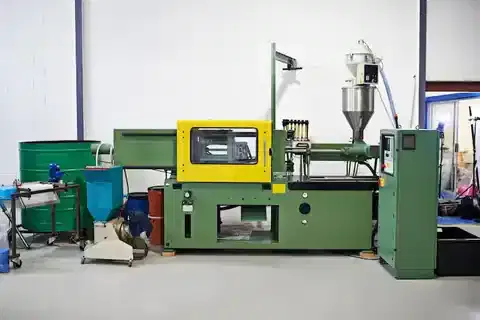
Extrusion plays a critical role in modern manufacturing because it enables consistent production, design flexibility, and scalability across various materials.
How an Extrusion Machine Works
The extrusion process involves transforming raw material into a continuous shaped product. The basic workflow includes feeding, melting, shaping, and cooling.
Raw material, often in the form of pellets or granules, is fed into a hopper. It then enters a heated barrel where a rotating screw pushes and melts the material. The molten material is forced through a die, which determines the final shape.
After exiting the die, the material is cooled and solidified, typically using air or water systems. Finally, the product is cut or wound depending on the application.
Key Components of an Extrusion Machine
Main Components
- Hopper: Feeds raw material into the system
- Barrel: Houses the screw and provides heating zones
- Screw: Moves, melts, and mixes the material
- Heater Bands: Maintain controlled temperatures
- Die: Shapes the final product
- Cooling System: Solidifies the material
- Puller or Cutter: Controls product length and output
Each component is essential for maintaining process stability and ensuring consistent product quality.
Types of Extrusion Machines
Extrusion machines vary based on material type and application.
Common Types
- Single Screw Extruder: Used for simple, high-volume applications
- Twin Screw Extruder: Offers better mixing and control for complex materials
- Plastic Extrusion Machine: Produces pipes, sheets, and films
- Metal Extrusion Machine: Used for aluminum and steel profiles
- Food Extrusion Machine: Processes snacks, cereals, and pet food
Comparison of Extrusion Machine Types
| Type | Key Feature | Application Area | Complexity Level |
|---|---|---|---|
| Single Screw | Simple design | Pipes, films | Low |
| Twin Screw | High mixing capability | Advanced polymers | Medium |
| Plastic Extrusion | Versatile processing | Packaging, construction | Medium |
| Metal Extrusion | High pressure forming | Automotive, aerospace | High |
| Food Extrusion | Controlled cooking process | Food manufacturing | Medium |
Importance of Extrusion Machines in Industry
Extrusion machines are essential in modern production systems due to their efficiency and versatility.
They enable mass production of consistent products with minimal defects. This is especially important in industries like packaging and construction, where precision and uniformity are critical.
Additionally, extrusion supports sustainable manufacturing by reducing material waste and enabling recycling of plastics and polymers.
Real-World Applications
Extrusion machines are widely used across industries.
Major Applications
- Construction: Pipes, window frames, insulation materials
- Packaging: Plastic films, sheets, containers
- Automotive: Rubber seals, plastic components
- Electrical: Cable insulation and conduits
- Food Industry: Snacks, pasta, and cereals
These applications highlight the adaptability of extrusion technology across diverse sectors.
Problems Solved by Extrusion Technology
Extrusion machines address several manufacturing challenges.
They provide a continuous production process, eliminating the need for repeated molding cycles. This improves efficiency and reduces downtime.
They also allow for precise control over product dimensions, ensuring consistency. Additionally, extrusion enables the use of recycled materials, supporting environmental sustainability.
Key Features of Modern Extrusion Machines
Advanced Features
- Automated temperature control systems
- High-efficiency screw designs
- Energy-efficient heating technologies
- Real-time monitoring and sensors
- Integration with digital manufacturing systems
These features enhance productivity, reduce energy consumption, and improve product quality.
Recent Trends and Developments (2025–2026)
Extrusion technology continues to evolve with advancements in automation and sustainability.
Latest Trends
- Smart Manufacturing Integration (2025): Machines now use IoT sensors for real-time monitoring and predictive maintenance
- Energy Efficiency Improvements (2025): New heating systems reduce energy consumption significantly
- Recycling and Circular Economy (2026): Increased use of recycled plastics in extrusion processes
- AI-Based Process Optimization (2026): Artificial intelligence helps optimize temperature, speed, and output quality
- Biodegradable Materials Processing (2025–2026): Growing adoption of eco-friendly materials in extrusion
These developments reflect the industry’s shift toward efficiency, sustainability, and digital transformation.
Regulations and Standards
Extrusion machines must comply with various industrial standards to ensure safety and quality.
Key Regulations
- ISO Standards: Ensure quality management and machine safety
- Environmental Regulations: Control emissions and waste management
- Material Compliance Standards: Ensure safe use of plastics and metals
- Workplace Safety Guidelines: Protect operators from hazards
Compliance with these regulations ensures reliable and safe manufacturing processes.
Useful Tools and Learning Resources
Professionals and learners can explore various tools and platforms to understand extrusion technology.
Learning Resources
- Online engineering courses on manufacturing processes
- Industrial training programs in polymer processing
- Technical manuals and machine documentation
- Simulation software for extrusion process design
- Industry journals and research publications
These resources help build technical knowledge and practical understanding.
FAQs
What is an extrusion machine used for?
An extrusion machine is used to create continuous shapes like pipes, sheets, and profiles by forcing material through a die.
What materials can be processed in extrusion machines?
Common materials include plastics, metals, rubber, and food ingredients, depending on the machine type.
What is the difference between single screw and twin screw extruders?
Single screw extruders are simpler and used for basic applications, while twin screw extruders offer better mixing and control for complex materials.
Why is extrusion important in manufacturing?
Extrusion enables efficient, continuous production with consistent quality, making it essential for large-scale manufacturing.
How does extrusion support sustainability?
Extrusion allows the use of recycled materials and reduces waste, contributing to environmentally friendly production.
Conclusion
Extrusion machines are a cornerstone of modern manufacturing, enabling efficient and consistent production across multiple industries. Their ability to shape a wide range of materials into precise forms makes them indispensable in sectors such as construction, packaging, automotive, and food processing.
With advancements in automation, energy efficiency, and sustainable materials, extrusion technology continues to evolve. As industries move toward smarter and greener manufacturing, extrusion machines will remain a key driver of innovation and productivity.
Understanding how these machines work, their components, and their applications provides valuable insight into one of the most widely used manufacturing processes today.

Related Post...