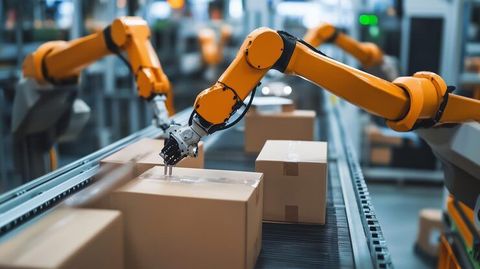
These systems enable continuous movement of items from one point to another, minimizing delays, enhancing productivity, and supporting large-scale automation. From small assembly units to large industrial plants, conveyor systems are a backbone of modern material handling operations.
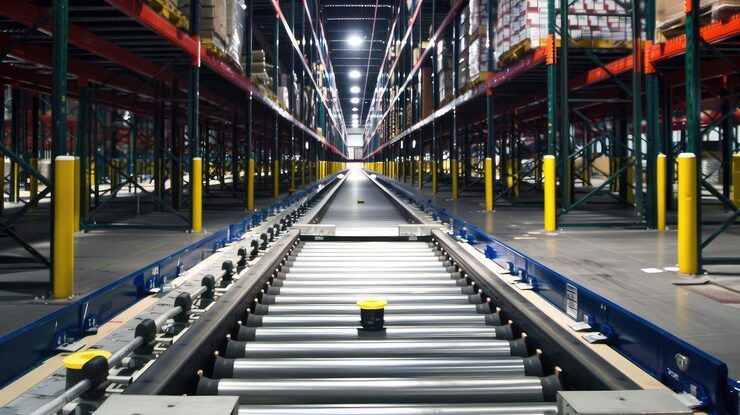
Structure and Working Mechanism
Industrial conveyor systems operate using a combination of mechanical components and control systems. Their design depends on the type of materials being transported, distance, and operational requirements.
At a basic level, conveyors use a motor-driven mechanism to move a belt, rollers, or chain along a predefined path. Items placed on the system are transported automatically.
Key Components
- Drive unit (motor and gearbox)
- Conveyor belt, rollers, or chain
- Frame or support structure
- Control system (PLC or automation software)
- Sensors and safety devices
The integration of industrial automation systems and IoT-based monitoring allows real-time tracking, predictive maintenance, and improved operational efficiency.
Types of Industrial Conveyor Systems
Different industries use various types of conveyor systems based on application and material characteristics.
Common Types
- Belt conveyors: Ideal for bulk material and packaged goods
- Roller conveyors: Suitable for heavy loads and pallets
- Chain conveyors: Used in automotive and heavy manufacturing
- Screw conveyors: Common in agriculture and food processing
- Pneumatic conveyors: Transport powders and fine materials
- Overhead conveyors: Used in assembly lines and painting processes
Each type offers unique advantages in terms of speed, load capacity, and adaptability.
Importance in Modern Industry
Industrial conveyor systems are essential for improving productivity and reducing operational inefficiencies.
Key Benefits
- Continuous material flow reduces downtime
- Lower dependency on manual labor
- Improved workplace safety
- Consistent product handling
- Integration with smart manufacturing technologies
They are widely used in sectors such as e-commerce logistics, automotive manufacturing, pharmaceuticals, and mining operations.
Real-World Use Cases
Conveyor systems are applied across multiple industries to solve operational challenges.
Industry Applications
- Warehousing: Automated sorting and distribution systems
- Manufacturing: Assembly line production
- Food processing: Hygienic material movement
- Mining: Bulk material transportation over long distances
- Airports: Baggage handling systems
These systems help streamline workflows and maintain consistent output levels.
Key Features and Capabilities
Modern conveyor systems are equipped with advanced features to meet evolving industrial demands.
Notable Features
- Variable speed control for optimized throughput
- Modular design for scalability
- Energy-efficient motors
- Smart sensors for fault detection
- Integration with industrial IoT platforms
These capabilities support digital transformation in manufacturing and logistics environments.
Comparison of Conveyor Types
| Conveyor Type | Best Use Case | Advantages | Limitations |
|---|---|---|---|
| Belt Conveyor | General material handling | Simple design, versatile | Limited incline capability |
| Roller Conveyor | Heavy loads | Durable, low maintenance | Requires flat surfaces |
| Chain Conveyor | Automotive industry | High strength, reliable | Noisy operation |
| Screw Conveyor | Bulk materials | Compact, enclosed system | Limited distance |
| Pneumatic Conveyor | Powder transport | Clean and dust handling | High energy consumption |
Recent Trends and Developments (2025–2026)
Industrial conveyor systems are evolving rapidly with advancements in automation and digital technologies.
Key Trends
- Smart conveyor systems with AI-based monitoring (2025)
- Increased adoption of IoT-enabled predictive maintenance
- Energy-efficient conveyor designs with reduced carbon footprint
- Integration with robotics in automated warehouses
- Use of digital twins for system simulation and optimization (2026)
These innovations are improving efficiency, reducing downtime, and supporting sustainable industrial practices.
Regulations and Safety Standards
Industrial conveyor systems must comply with safety and operational standards to ensure worker protection and system reliability.
Important Guidelines
- ISO 9001 for quality management systems
- OSHA standards for workplace safety
- ISO 13849 for machinery safety controls
- Regular inspection and maintenance requirements
Compliance helps reduce accidents and ensures consistent system performance.
Tools, Platforms, and Learning Resources
Professionals working with conveyor systems often rely on specialized tools and platforms.
Useful Resources
- PLC programming software (e.g., Siemens TIA Portal)
- CAD tools for conveyor system design
- Industrial IoT platforms for monitoring
- Online courses on automation and material handling
- Technical documentation from equipment manufacturers
These resources support system design, maintenance, and optimization.
Frequently Asked Questions
What is the main purpose of an industrial conveyor system?
The main purpose is to transport materials efficiently within a facility, reducing manual handling and improving workflow.
Which industries use conveyor systems the most?
Industries such as manufacturing, logistics, mining, food processing, and e-commerce heavily rely on conveyor systems.
How do smart conveyor systems improve efficiency?
They use sensors, data analytics, and automation to monitor performance, detect faults, and optimize operations in real time.
What factors determine the type of conveyor system to use?
Material type, load weight, distance, speed requirements, and environmental conditions are key factors.
Are conveyor systems safe to operate?
Yes, when designed and maintained according to safety standards, they include features like emergency stops and protective guards.
Conclusion
Industrial conveyor systems are a fundamental part of modern material handling and automation. They provide efficient, reliable, and scalable solutions for transporting goods across various industries. With advancements in smart technologies, IoT integration, and energy-efficient designs, conveyor systems continue to evolve, supporting the growing demand for automation and productivity.
Understanding their structure, types, and applications helps businesses and professionals make informed decisions and adapt to the future of industrial operations.