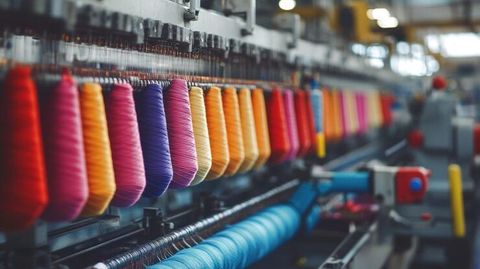
These machines improve efficiency, ensure product safety, and maintain consistency in packaging quality. With increasing demand for speed and precision, packaging automation has become a cornerstone of modern manufacturing.
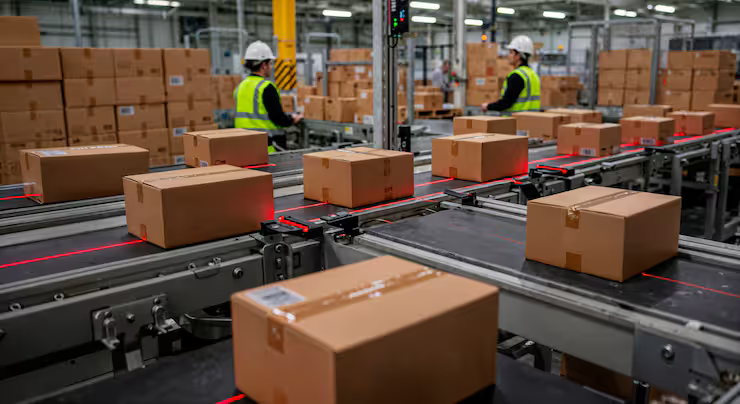
How Packaging Machines Work
Packaging machines operate through a series of coordinated mechanical and digital processes. Their functionality depends on the type of machine and product being handled.
Typically, the process includes:
- Product feeding into the system
- Measuring or counting items
- Filling or placing products into containers
- Sealing or closing packages
- Labeling and coding for identification
- Final inspection and output
Advanced systems integrate sensors, programmable logic controllers (PLC), and software to monitor performance and ensure accuracy. Many machines now use Industrial IoT (IIoT) for real-time monitoring and predictive maintenance.
Importance of Packaging Machines in Industry
Packaging machines are essential for maintaining productivity, quality, and compliance in industrial operations.
Key Benefits
- Increased production speed and efficiency
- Reduced manual labor and human error
- Consistent packaging quality
- Enhanced product safety and hygiene
- Improved supply chain management
They also support sustainability goals by optimizing material usage and reducing waste.
Types of Packaging Machines
Packaging machines come in various forms, each designed for specific applications.
Common Types
- Filling Machines: Used for liquids, powders, or granules
- Sealing Machines: Ensure airtight or secure packaging
- Wrapping Machines: Enclose products using films or paper
- Labeling Machines: Apply labels and barcodes
- Cartoning Machines: Package products into cartons
- Palletizing Machines: Arrange packages for transport
Comparison of Packaging Machine Types
| Machine Type | Application Area | Key Function | Industry Usage |
|---|---|---|---|
| Filling Machine | Liquids, powders | Accurate product filling | Food, pharma |
| Sealing Machine | All packaged goods | Secure closure | FMCG, logistics |
| Wrapping Machine | Individual products | Protective wrapping | Retail, manufacturing |
| Labeling Machine | Packaged items | Identification & branding | All industries |
| Cartoning Machine | Bulk packaging | Box formation & packing | Consumer goods |
| Palletizing System | Large-scale logistics | Load organization | Warehousing, shipping |
Key Components of Packaging Machines
Packaging machines consist of several critical components that ensure smooth operation.
Core Components
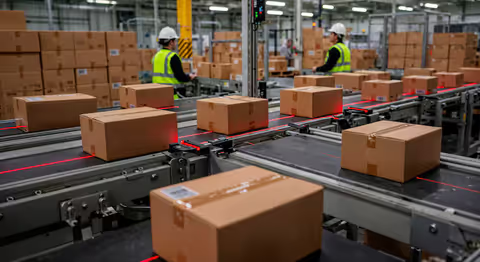
- Conveyor systems for product movement
- Control panels and PLC systems
- Sensors and detectors for accuracy
- Sealing and cutting mechanisms
- Filling units and dosing systems
- Safety guards and emergency controls
These components work together to create a reliable and efficient packaging workflow.
Real-World Applications
Packaging machines are widely used across industries to meet production demands.
Industry Use Cases
- Food Industry: Packaging snacks, beverages, and frozen goods
- Pharmaceutical Sector: Blister packaging and sterile sealing
- E-commerce: Automated packing for shipping orders
- Cosmetics: Bottling and labeling personal care products
- Agriculture: Packaging grains, seeds, and fertilizers
These applications demonstrate the versatility and necessity of packaging automation.
Problems Solved by Packaging Machines
Packaging machines address several operational challenges in manufacturing and logistics.
Key Challenges Addressed
- Inconsistent manual packaging quality
- Slow production speeds
- High labor dependency
- Product contamination risks
- Inefficient material usage
By automating processes, businesses achieve higher accuracy and scalability.
Recent Trends and Developments (2025–2026)
Packaging technology continues to evolve with advancements in automation and sustainability.
Latest Trends
- Smart Packaging Systems (2025): Integration of IoT for real-time tracking and analytics
- Sustainable Materials (2025): Increased use of biodegradable and recyclable packaging
- AI-Based Quality Control (2026): Machine vision systems detecting defects instantly
- Robotic Automation (2026): Collaborative robots improving efficiency and flexibility
- Digital Twin Technology (2025): Simulation models for optimizing packaging lines
These innovations are shaping the future of packaging industries globally.
Regulations and Compliance
Packaging machines must adhere to industry-specific standards and regulations to ensure safety and quality.
Key Regulations
- Food Safety Standards (FSSAI in India)
- Good Manufacturing Practices (GMP)
- ISO 9001 Quality Management Systems
- CE Marking for European compliance
- Environmental regulations for packaging waste
Compliance ensures consumer safety and legal operation in global markets.
Tools and Learning Resources
Professionals and businesses can explore various tools and platforms to understand and optimize packaging systems.
Useful Resources
- Automation software for machine control
- PLC programming platforms
- Industrial training courses in packaging technology
- Online learning platforms for manufacturing systems
- Industry reports and technical journals
These resources help in skill development and system optimization.
Frequently Asked Questions
What are packaging machines used for?
Packaging machines are used to pack, seal, label, and prepare products for distribution across industries like food, pharmaceuticals, and retail.
Are packaging machines fully automated?
Some machines are fully automated, while others are semi-automatic depending on production requirements and scale.
What industries benefit the most from packaging machines?
Industries such as food processing, pharmaceuticals, cosmetics, and e-commerce rely heavily on packaging automation.
How do packaging machines improve efficiency?
They reduce manual labor, increase speed, and ensure consistent packaging quality, leading to higher productivity.
What is the future of packaging machines?
The future includes AI integration, smart automation, sustainable materials, and advanced robotics for improved performance.
Conclusion
Packaging machines are vital components of modern industrial systems, enabling efficient, safe, and scalable packaging operations. From basic sealing machines to advanced robotic systems, these technologies support a wide range of industries and applications.
With ongoing advancements in automation, artificial intelligence, and sustainability, packaging machines continue to evolve, addressing current challenges and preparing industries for future demands. Understanding their functionality, types, and applications is essential for anyone involved in manufacturing, logistics, or industrial operations.