Antibody Development Basics for Modern Biomedical Research
Antibody development is a scientific process used to create antibodies that can recognize and bind to specific targets, known as antigens. These targets are often proteins, pathogens, or abnormal cells. Antibodies play a crucial role in the immune system, and scientists harness this ability for research, diagnostics, and therapeutic applications.
The purpose of antibody development is to produce highly specific and reliable molecules that can detect or neutralize biological targets. This is especially important in areas such as disease diagnosis, drug discovery, and biotechnology research.
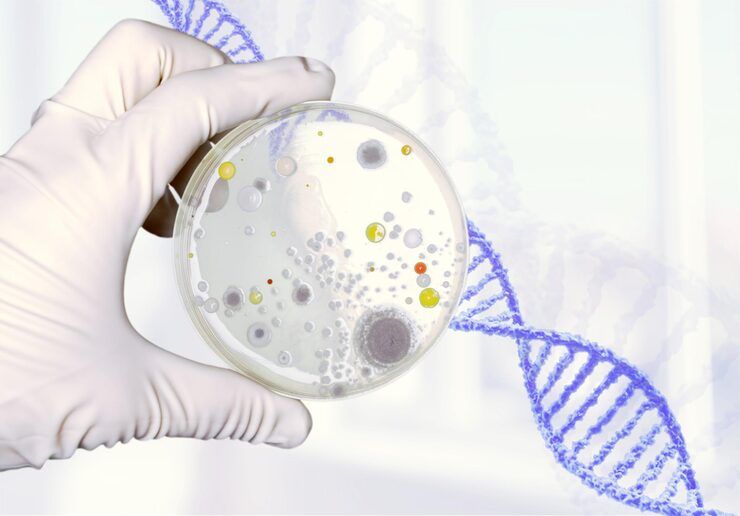
How Antibody Development Works
Antibody development follows a structured workflow that involves identifying a target, generating antibodies, and validating their effectiveness.
The process typically includes:
- Antigen selection: Choosing a specific molecule or protein to target
- Immunization: Introducing the antigen into a host (often animals) to trigger an immune response
- Antibody generation: Producing antibodies through hybridoma technology or recombinant methods
- Screening and validation: Testing antibodies for specificity, sensitivity, and reliability
- Production and purification: Scaling up and refining antibodies for use
Modern approaches often rely on recombinant DNA technology, enabling precise control over antibody design and production.
Structure of Antibodies
Antibodies, also known as immunoglobulins, have a characteristic Y-shaped structure. This structure allows them to bind specifically to antigens.
Key structural components include:
- Variable region: Determines antigen-binding specificity
- Constant region: Defines antibody class and immune response
- Heavy and light chains: Protein chains that form the antibody structure
Different classes of antibodies (IgG, IgM, IgA, IgE, IgD) serve various roles in the immune system.
Importance of Antibody Development
Antibody development is essential in modern science and healthcare due to its wide range of applications.
It helps in:
- Detecting diseases such as cancer and infectious conditions
- Developing targeted therapies that interact with specific cells
- Advancing research in molecular biology and immunology
- Supporting vaccine development and immune studies
Without antibody development, many diagnostic tools and treatments would not exist.
Real-World Use Cases
Antibody development has practical applications across multiple industries.
Key Applications
- Medical diagnostics: Used in tests like ELISA and rapid diagnostic kits
- Therapeutics: Monoclonal antibodies for treating cancer, autoimmune diseases, and infections
- Research: Studying protein interactions and cellular pathways
- Biotechnology: Used in biosensors and laboratory assays
- Agriculture: Detection of plant diseases and contaminants
These applications highlight the versatility and importance of antibodies in solving real-world problems.
Types of Antibodies Used
Different types of antibodies are developed based on specific needs and applications.
Common Types
- Monoclonal antibodies: Derived from a single cell line, highly specific
- Polyclonal antibodies: Produced by multiple immune cells, recognize multiple epitopes
- Recombinant antibodies: Engineered using genetic techniques
- Humanized antibodies: Modified to reduce immune reactions in humans
- Bispecific antibodies: Designed to bind two different targets
Each type has unique advantages depending on the use case.
Key Features and Components
Antibody development involves several important features that determine quality and performance.
Essential Features
- Specificity: Ability to bind only to the target antigen
- Affinity: Strength of the binding interaction
- Stability: Resistance to environmental changes
- Reproducibility: Consistent performance across experiments
- Scalability: Capability for large-scale production
These factors are critical in ensuring reliable results in both research and clinical settings.
Recent Trends and Developments (2025–2026)
Antibody development continues to evolve with advancements in technology and research.
Notable Trends
- AI-driven antibody design (2025): Machine learning models are being used to predict antibody structures and optimize binding
- Single B-cell sequencing (2025): Enables rapid discovery of high-affinity antibodies
- Nanobody development (2026): Smaller antibodies with enhanced tissue penetration
- CRISPR-based screening (2025): Improves target validation and antibody specificity
- mRNA antibody technology (2026): Allows in vivo production of antibodies
These innovations are making antibody development faster, more precise, and more scalable.
Regulations and Policies
Antibody development, especially for therapeutic use, is regulated to ensure safety and effectiveness.
Key Regulatory Considerations
- Good Laboratory Practice (GLP): Ensures quality in research
- Good Manufacturing Practice (GMP): Governs production standards
- Clinical trial regulations: Required for therapeutic antibodies
- Biosafety guidelines: Ensure safe handling of biological materials
- Ethical standards: Govern the use of animals and human samples
Regulatory compliance is essential for bringing antibody-based solutions into practical use.
Tools and Platforms for Learning and Development
Several tools and platforms support antibody development and related research.
Useful Tools and Resources
- Bioinformatics software for protein modeling
- Molecular visualization tools
- Laboratory information management systems (LIMS)
- Online databases for antibody sequences
- Educational platforms offering biotechnology and immunology courses
These resources help researchers design, analyze, and optimize antibodies effectively.
Antibody Development Process Overview Table
| Step | Description | Outcome |
|---|---|---|
| Antigen Selection | Identify target molecule | Defined research focus |
| Immunization | Stimulate immune response | Antibody-producing cells |
| Screening | Identify effective antibodies | High-specificity candidates |
| Validation | Test performance and reliability | Verified antibodies |
| Production & Purification | Scale up and refine antibodies | Ready-to-use antibodies |
Challenges in Antibody Development
Despite its benefits, antibody development faces several challenges:
- Cross-reactivity leading to inaccurate results
- High development time and complexity
- Variability in biological systems
- Difficulty in targeting certain proteins
- Regulatory hurdles for clinical use
Addressing these challenges is a major focus of ongoing research.
Future Outlook
The future of antibody development is promising, with continued integration of advanced technologies.
Expected advancements include:
- Fully automated antibody discovery systems
- Improved computational modeling
- Expansion of personalized medicine
- Enhanced delivery mechanisms
- Broader applications in rare diseases
These developments will likely expand the impact of antibodies in healthcare and science.
FAQs
What is antibody development used for?
Antibody development is used for diagnostics, therapeutic treatments, and scientific research involving specific target detection.
What are monoclonal antibodies?
Monoclonal antibodies are identical antibodies produced from a single cell line, designed to bind a specific antigen.
How long does antibody development take?
The process can take several weeks to months, depending on the method and complexity.
What is the difference between monoclonal and polyclonal antibodies?
Monoclonal antibodies target a single epitope, while polyclonal antibodies recognize multiple epitopes on the same antigen.
Why is specificity important in antibody development?
High specificity ensures accurate targeting, reducing errors in diagnostics and improving treatment effectiveness.
Conclusion
Antibody development is a cornerstone of modern biotechnology and medical research. By enabling precise targeting of biological molecules, it supports advancements in diagnostics, therapeutics, and scientific discovery. With continuous innovation in areas like artificial intelligence, genetic engineering, and molecular biology, the field is evolving rapidly.
As new technologies emerge, antibody development will continue to play a vital role in addressing complex health challenges and expanding our understanding of biological systems.
Disclaimer: The information provided in this article is for informational purposes only. We do not make any claims or guarantees regarding the accuracy, reliability, or completeness of the information presented. The content is not intended as professional advice and should not be relied upon as such. Readers are encouraged to conduct their own research and consult with appropriate professionals before making any decisions based on the information provided in this article.

Related Post...