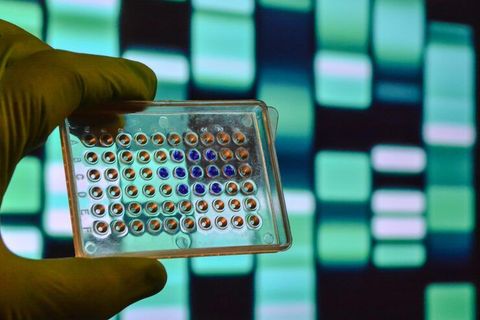
Insights on TNF Alpha ELISA Kit for Advanced Laboratory Research
Tumor Necrosis Factor Alpha (TNF-α) is a key cytokine involved in inflammation and immune system regulation. A TNF Alpha ELISA Kit is a laboratory tool used to measure the concentration of this cytokine in biological samples such as blood, serum, plasma, or cell culture media.
ELISA stands for Enzyme-Linked Immunosorbent Assay, a widely used biochemical technique designed to detect and quantify proteins, antibodies, and hormones. In research and clinical settings, TNF-α measurement helps scientists understand inflammatory responses, immune disorders, and disease progression.
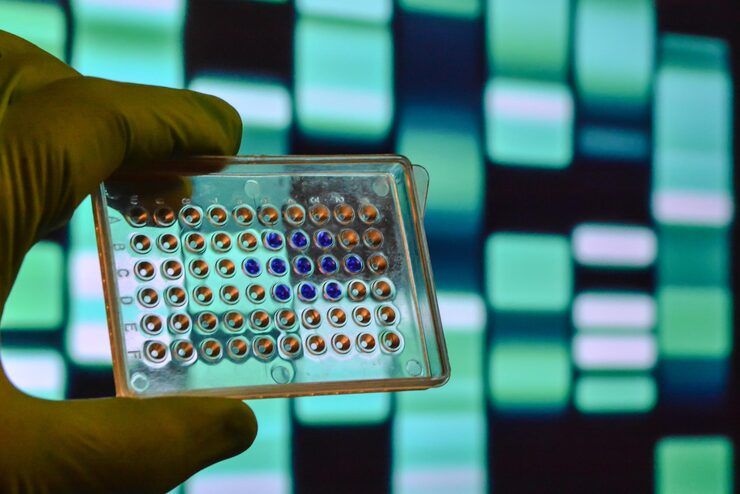
The primary purpose of a TNF Alpha ELISA Kit is to provide accurate, reproducible, and sensitive detection of TNF-α levels, enabling better insights into conditions such as autoimmune diseases, infections, and cancer.
How TNF Alpha ELISA Kit Works
The ELISA method relies on antigen-antibody interactions. In this case, TNF-α acts as the antigen.
The process typically follows these steps:
- A microplate is pre-coated with antibodies specific to TNF-α
- The sample is added, allowing TNF-α to bind to these antibodies
- A secondary antibody linked to an enzyme is introduced
- A substrate reacts with the enzyme to produce a measurable signal
- The intensity of the signal corresponds to the TNF-α concentration
This method ensures high specificity because the antibodies are designed to bind only to TNF-α molecules.
Key Detection Principle
The assay uses a “sandwich ELISA” format, where the target protein is captured between two antibodies. This improves accuracy and reduces background noise.
Importance in Research and Diagnostics
TNF-α plays a critical role in inflammation and immune signaling. Measuring its levels is essential for:
- Understanding immune system behavior
- Monitoring inflammatory diseases
- Evaluating drug responses in clinical trials
- Detecting infections and chronic conditions
Elevated TNF-α levels are often associated with diseases such as rheumatoid arthritis, inflammatory bowel disease, and sepsis. Low levels may indicate immune suppression or regulatory imbalances.
Real-World Applications
TNF Alpha ELISA Kits are used across multiple domains:
Biomedical Research
- Studying cytokine signaling pathways
- Investigating immune responses
- Evaluating therapeutic targets
- Monitoring inflammatory biomarkers
- Supporting disease diagnosis
- Assessing treatment effectiveness
Pharmaceutical Development
- Drug screening and validation
- Toxicology studies
- Biomarker analysis
- Student training in immunology
- Experimental biology research
- Molecular biology studies
Key Components of TNF Alpha ELISA Kit
A typical kit includes several essential elements:
Core Components
- Pre-coated microplate (with anti-TNF-α antibodies)
- Standard TNF-α protein solutions
- Detection antibodies
- Enzyme conjugate (e.g., HRP)
- Substrate solution
- Stop solution
Supporting Materials
- Wash buffers
- Sample diluents
- Plate sealers
- Instruction manual
Each component is optimized to ensure consistent and reliable assay performance.
Types of TNF Alpha ELISA Kits
Different types of ELISA kits are available depending on experimental needs:
Sandwich ELISA Kits
- Most common type
- High sensitivity and specificity
- Suitable for complex samples
- Used when antigen size is small
- Suitable for limited sample availability
Multiplex ELISA Kits
- Measure multiple cytokines simultaneously
- Useful in advanced immunology studies
Key Features and Performance Metrics
When evaluating a TNF Alpha ELISA Kit, several parameters are important:
Performance Indicators
- Sensitivity (detection limit)
- Specificity (minimal cross-reactivity)
- Accuracy and reproducibility
- Assay time
- Sample compatibility
Typical Specifications Table
| Parameter | Description |
|---|---|
| Detection Range | 5 pg/mL – 1000 pg/mL |
| Sensitivity | < 5 pg/mL |
| Assay Time | 3–5 hours |
| Sample Types | Serum, plasma, cell culture media |
| Format | 96-well plate |
| Detection Method | Colorimetric (absorbance reading) |
These specifications can vary depending on the manufacturer and assay design.
Recent Trends and Developments (2025–2026)
The field of immunoassays continues to evolve rapidly. Recent developments include:
- 2025: Increased adoption of high-sensitivity ELISA kits for low-abundance cytokines
- 2025: Integration with automated laboratory systems for faster throughput
- 2026: Growth in multiplex cytokine assays for simultaneous biomarker detection
- 2026: Use of AI-assisted data analysis for improved interpretation of ELISA results
There is also a rising focus on reproducibility and standardization across laboratories to ensure consistent results globally.
Regulations and Quality Standards
Although ELISA kits are widely used in research, they must comply with certain quality standards:
Common Guidelines
- ISO standards for laboratory testing
- Good Laboratory Practice (GLP) compliance
- Clinical validation for diagnostic use
- Regulatory approvals in specific regions (if used clinically)
For research-use-only kits, labeling and documentation must clearly define their intended use.
Tools and Learning Resources
To effectively use TNF Alpha ELISA Kits, researchers often rely on supporting tools and platforms:
Laboratory Tools
- Microplate readers (for absorbance measurement)
- Automated pipetting systems
- Data analysis software
Learning Resources
- Online immunology courses
- Scientific journals and publications
- Laboratory protocol databases
- Academic textbooks on ELISA techniques
These resources help improve accuracy and understanding of assay procedures.
Common Challenges and Solutions
While ELISA is reliable, certain issues may arise:
Common Issues
- High background signal
- Low sensitivity
- Inconsistent results
- Cross-reactivity
Practical Solutions
- Optimize washing steps
- Use proper sample dilution
- Ensure correct incubation times
- Follow standardized protocols
Attention to detail during the procedure is essential for obtaining accurate results.
FAQs
What is the purpose of a TNF Alpha ELISA Kit?
It is used to measure TNF-α levels in biological samples, helping researchers study inflammation and immune responses.
How accurate are ELISA kits for cytokine detection?
They are highly accurate when used correctly, offering strong sensitivity and specificity for protein detection.
What samples can be used in a TNF Alpha ELISA Kit?
Common samples include serum, plasma, and cell culture supernatants.
How long does the assay take to complete?
Most assays take between 3 to 5 hours, depending on the protocol.
Can ELISA kits detect multiple cytokines at once?
Standard kits detect one cytokine, but multiplex ELISA kits can measure multiple biomarkers simultaneously.
Conclusion
TNF Alpha ELISA Kits play a crucial role in modern immunology and biomedical research. By enabling precise measurement of TNF-α levels, these kits support the study of inflammation, disease mechanisms, and therapeutic responses.
Their structured design, high sensitivity, and adaptability make them essential tools in laboratories worldwide. With ongoing advancements such as automation and multiplexing, ELISA technology continues to evolve, offering more efficient and comprehensive analysis.
Understanding how these kits work, their components, and their applications ensures better experimental outcomes and deeper insights into complex biological systems.
Disclaimer: The information provided in this article is for informational purposes only. We do not make any claims or guarantees regarding the accuracy, reliability, or completeness of the information presented. The content is not intended as professional advice and should not be relied upon as such. Readers are encouraged to conduct their own research and consult with appropriate professionals before making any decisions based on the information provided in this article.

Related Post...