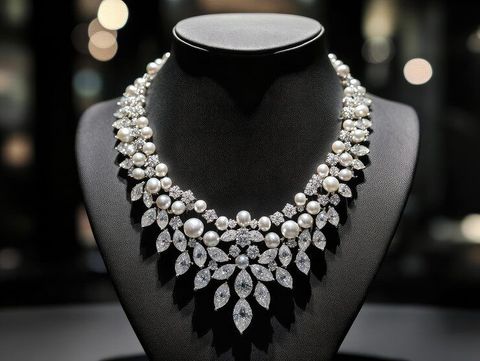
Across different regions, bridal jewellery represents more than decoration. It often carries emotional and cultural significance, reflecting heritage, family traditions, and ceremonial importance.
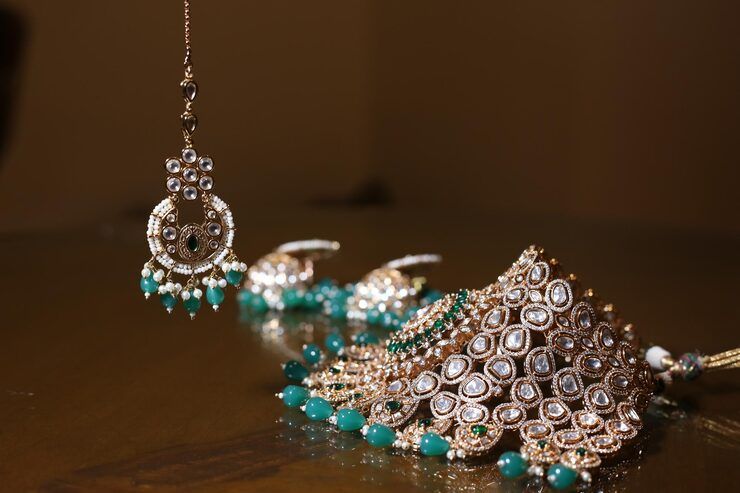
Structure and Components of Bridal Jewellery Sets
Bridal jewellery sets are carefully curated to maintain visual harmony. Each piece complements the others in design, metal, and embellishments.
Key Components
- Necklace (Choker or Long Haar)
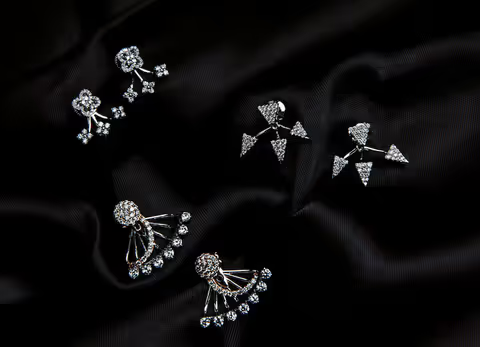
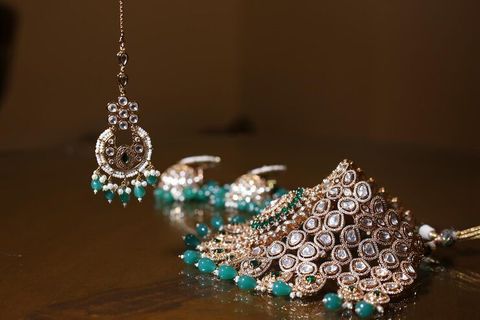
- Earrings (Jhumkas, Chandbalis, Studs)
- Maang Tikka or Matha Patti
- Bangles or Kadas
- Nose Ring (Nath)
- Waist Belt (Kamarbandh)
- Rings and Hand Harness (Hathphool)
How Sets Are Structured
- Matching motifs and patterns
- Uniform metal tone (gold, silver, platinum)
- Consistent gemstone or embellishment style
- Balanced layering for visual appeal
This structured approach ensures a cohesive bridal look rather than a mix of unrelated ornaments.
Importance and Real-World Use
Bridal jewellery sets play a significant role in weddings worldwide, especially in cultures where traditional attire is central to ceremonies.
Cultural and Practical Importance
- Represents marital status and prosperity
- Enhances traditional bridal outfits
- Acts as a family heirloom passed through generations
- Completes ceremonial dress codes
- Serves as a visual focal point in wedding photography
Problems It Solves
- Eliminates the need to match individual pieces
- Ensures consistency in design and color
- Saves time in selecting coordinated jewellery
- Provides a ready-to-wear solution for bridal styling
Types of Bridal Jewellery Sets
Different styles cater to regional traditions, fashion preferences, and modern aesthetics.
Popular Types
- Traditional Gold Sets
- Diamond Bridal Sets
- Kundan Jewellery Sets
- Polki Jewellery Sets
- Temple Jewellery
- Antique Finish Jewellery
- Minimalist Modern Sets
Comparison Table of Bridal Jewellery Types
| Type | Key Material | Style Focus | Best For | Weight Level |
|---|---|---|---|---|
| Gold Sets | Gold | Traditional | Classic weddings | Medium-Heavy |
| Diamond Sets | Diamonds | Elegant, modern | Reception events | Light-Medium |
| Kundan Sets | Glass stones | Royal, intricate | Cultural ceremonies | Medium |
| Polki Sets | Uncut diamonds | Vintage luxury | Grand weddings | Heavy |
| Temple Jewellery | Gold, motifs | Religious heritage | South Indian weddings | Heavy |
| Minimalist Sets | Mixed materials | Contemporary | Modern bridal looks | Light |
Key Features and Design Elements
Bridal jewellery sets are defined by distinctive craftsmanship and design details.
Design Features
- Intricate handwork and engraving
- Gemstone embellishments (emeralds, rubies, pearls)
- Layered necklace styles
- Symmetrical patterns
- Adjustable fittings for comfort
Material Choices
- Gold (yellow, white, rose)
- Silver and oxidized metals
- Platinum
- Artificial or hybrid materials for lightweight sets
Recent Trends and Developments (2025–2026)
The bridal jewellery industry has seen notable shifts in design preferences and technology integration.
Emerging Trends
- Sustainable and recycled metal jewellery (2025)
- Lightweight bridal sets for comfort-focused weddings
- Fusion jewellery blending traditional and modern styles
- Personalized and custom-designed sets
- Digital previews and virtual try-on tools
Technological Updates
- AI-based jewellery design customization (2025)
- Augmented reality (AR) fitting tools
- Blockchain authentication for high-value jewellery
These developments are shaping how brides select and experience jewellery.
Laws, Policies, and Standards
Bridal jewellery is subject to regulations that ensure authenticity and consumer protection.
Key Regulations
- Hallmark certification for gold purity (e.g., BIS Hallmark in India)
- Mandatory disclosure of gemstone authenticity
- Consumer protection laws for product transparency
- Import/export regulations for precious metals
Compliance Importance
- Ensures quality and authenticity
- Prevents fraud and misrepresentation
- Builds trust in jewellery purchases
Tools, Platforms, and Learning Resources
Understanding bridal jewellery can be enhanced through various platforms and tools.
Useful Resources
- Jewellery design courses (online and offline)
- Fashion and bridal styling platforms
- Virtual jewellery try-on apps
- Craftsmanship workshops
- Industry reports on jewellery trends
Learning Areas
- Gemstone identification
- Metal purity standards
- Cultural jewellery traditions
- Styling and coordination techniques
FAQs
What is included in a bridal jewellery set?
A bridal jewellery set typically includes a necklace, earrings, maang tikka, bangles, and sometimes additional accessories like a nose ring or waist belt.
How do I choose the right bridal jewellery style?
The choice depends on the wedding outfit, cultural traditions, personal style, and comfort level. Matching the jewellery with attire and event type is essential.
Are lightweight bridal jewellery sets popular?
Yes, lightweight sets have gained popularity due to comfort and ease of wear, especially for long wedding ceremonies.
What is the difference between Kundan and Polki jewellery?
Kundan uses glass stones set in gold foil, while Polki features uncut natural diamonds, giving it a more raw and vintage appearance.
Is certification important for bridal jewellery?
Yes, certifications like hallmarking ensure the authenticity and quality of metals and gemstones.
Conclusion
Bridal jewellery sets are an essential part of wedding traditions, combining cultural symbolism with aesthetic appeal. Their structured design ensures harmony across multiple ornaments, simplifying the styling process for brides. With evolving trends such as sustainability, lightweight designs, and digital customization, bridal jewellery continues to adapt to modern preferences while preserving its traditional roots.
Understanding the types, features, and regulations surrounding bridal jewellery helps individuals make informed decisions and appreciate the craftsmanship involved. Whether traditional or contemporary, bridal jewellery sets remain a meaningful and integral part of wedding celebrations.