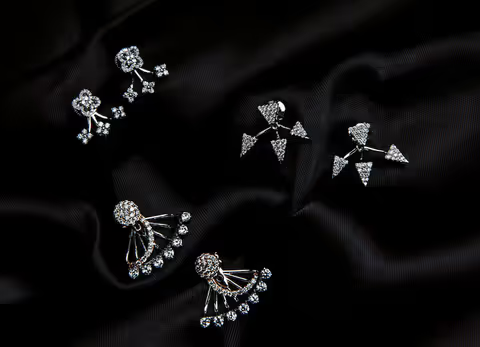
Their purpose extends beyond aesthetics. Diamond studs are often chosen for their durability, timeless appeal, and compatibility with various fashion styles. They are also associated with milestones and personal significance, making them a meaningful accessory.
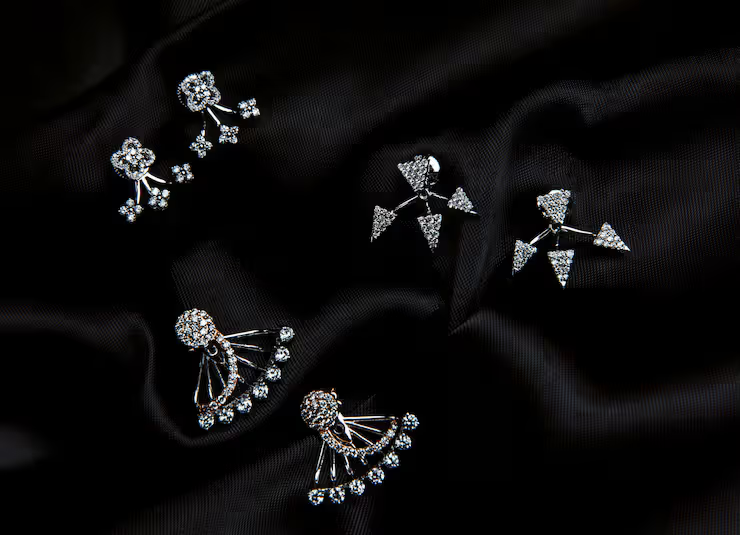
Structure and How Diamond Studs Work
Diamond studs are designed with a straightforward yet precise structure. Each component contributes to both comfort and security.
Key Components of Diamond Studs
- Diamond (Center Stone): The main gemstone, cut to maximize brilliance
- Setting: Holds the diamond securely in place (e.g., prong or bezel)
- Post (Pin): A thin metal rod that passes through the ear piercing
- Backing (Clutch): Secures the stud behind the ear
The effectiveness of diamond studs depends on how well these components work together. For example, a secure setting ensures the diamond remains stable, while a comfortable backing prevents irritation during prolonged wear.
Importance and Real-World Use Cases
Diamond studs serve multiple practical and cultural purposes. Their minimal design makes them adaptable across various situations.
Common Use Cases
- Daily Wear: Lightweight and comfortable for long hours
- Professional Settings: Subtle appearance suitable for formal environments
- Special Occasions: Adds elegance without overwhelming an outfit
- Gifting and Milestones: Often associated with celebrations such as anniversaries or achievements
Their ability to blend with different styles makes them a staple in personal accessories.
Key Features and Types of Diamond Studs
Diamond studs come in various styles and configurations, each offering unique visual and functional characteristics.
Popular Types
- Prong Setting Studs: Use metal claws to hold the diamond, allowing more light reflection
- Bezel Setting Studs: Surround the diamond with metal for added protection
- Halo Studs: Feature smaller diamonds around the center stone for enhanced sparkle
- Martini Setting: A three-prong design that positions the diamond closer to the ear
Diamond Shapes
- Round Brilliant
- Princess Cut
- Cushion Cut
- Oval Cut
- Emerald Cut
Each shape affects how light interacts with the diamond, influencing its brilliance and overall appearance.
Diamond Quality Factors (4Cs)
Understanding diamond quality is essential for evaluating diamond studs. The globally recognized grading system focuses on four main criteria.
Quality Comparison Table
| Factor | Description | Impact on Appearance |
|---|---|---|
| Cut | How well the diamond is shaped and faceted | Determines brilliance |
| Color | Degree of colorlessness | Affects visual clarity |
| Clarity | Presence of internal or external flaws | Influences transparency |
| Carat | Weight of the diamond | Impacts size and presence |
These factors collectively determine the overall quality and visual appeal of diamond studs.
Materials and Metal Choices
The metal used in diamond studs plays a crucial role in durability, comfort, and aesthetics.
Common Metal Options
- Gold (Yellow, White, Rose): Widely used for its versatility
- Platinum: Known for strength and hypoallergenic properties
- Silver: Lightweight and more accessible, though less durable
Each material affects how the diamond appears. For example, white metals enhance brilliance, while yellow tones create contrast.
Problems Solved by Diamond Studs
Diamond studs address several common challenges in jewelry design and usage.
Practical Benefits
- Simplicity: Eliminates complexity while maintaining elegance
- Comfort: Lightweight structure reduces strain on ears
- Versatility: Suitable for multiple occasions and outfits
- Durability: Secure settings reduce the risk of damage
These advantages make diamond studs a reliable choice for long-term use.
Recent Trends and Developments (2025–2026)
The diamond jewelry industry has seen notable advancements over the past year, influenced by technology and sustainability.
Key Trends
- Lab-Grown Diamonds (2025): Increasing adoption due to controlled production and consistent quality
- Sustainable Sourcing (2025–2026): Greater emphasis on ethical mining and traceability
- Minimalist Designs (2026): Rising demand for smaller, refined studs suitable for daily wear
- Smart Jewelry Integration (Early 2026): Experimental designs combining sensors with traditional jewelry
These trends reflect a shift toward responsible sourcing and modern functionality.
Regulations and Certification Standards
Diamond studs are subject to industry standards that ensure authenticity and quality.
Important Standards
- Certification Bodies: Organizations like GIA (Gemological Institute of America) provide grading reports
- Hallmarking Laws: Ensure the purity of precious metals
- Ethical Sourcing Policies: Regulations aimed at preventing conflict diamonds
Compliance with these standards helps maintain transparency and trust in the market.
Tools, Platforms, and Learning Resources
Understanding diamond studs often requires access to reliable tools and educational platforms.
Useful Resources
- Gemology Courses: Online programs covering diamond grading and identification
- Jewelry Design Software: Tools for visualizing settings and styles
- Certification Databases: Platforms to verify diamond grading reports
- Industry Publications: Provide updates on trends and technological advancements
These resources support both beginners and professionals in gaining deeper knowledge.
Maintenance and Care
Proper care ensures that diamond studs retain their brilliance and structural integrity.
Care Tips
- Clean regularly using mild solutions
- Store separately to avoid scratches
- Check settings periodically for looseness
- Avoid exposure to harsh chemicals
Routine maintenance helps extend the lifespan of the jewelry.
FAQs
What makes diamond studs different from other earrings?
Diamond studs feature a single gemstone with a minimal setting, focusing on simplicity and brilliance rather than decorative complexity.
Are diamond studs suitable for daily use?
Yes, their lightweight design and secure structure make them ideal for everyday wear.
How can diamond quality be verified?
Quality is typically verified through certification reports from recognized gemological institutions.
What is the most popular diamond shape for studs?
Round brilliant cut is the most popular due to its superior light reflection and sparkle.
Do diamond studs require frequent maintenance?
They require basic cleaning and occasional inspection to ensure the setting remains secure.
Conclusion
Diamond studs represent a balance of simplicity, durability, and elegance. Their straightforward structure allows the natural brilliance of diamonds to stand out, making them suitable for a wide range of uses. With advancements in lab-grown diamonds, ethical sourcing, and modern design trends, diamond studs continue to evolve while maintaining their timeless appeal. Understanding their components, quality factors, and care requirements helps users make informed decisions and appreciate their long-term value.