The purpose of understanding diamond necklace designs is to help individuals recognize different styles, materials, and construction methods. This knowledge supports informed decisions about design suitability, durability, and long-term value.
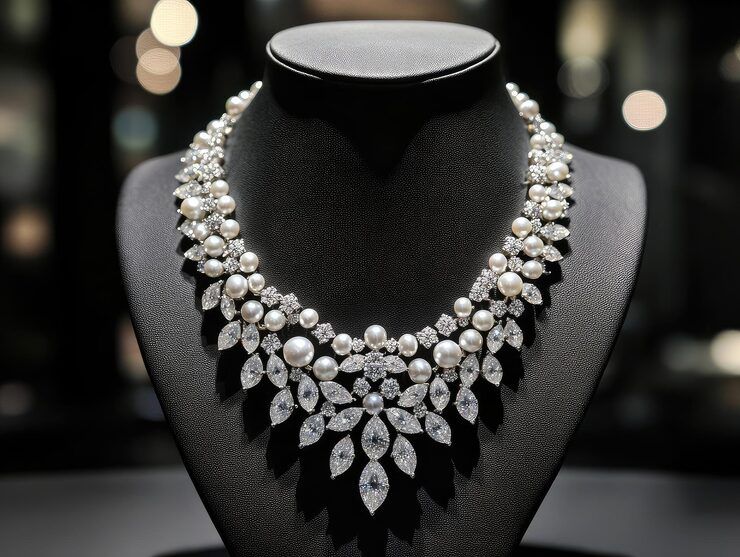
Structure and Composition of Diamond Necklaces
Diamond necklaces are structured using several key elements that determine their appearance and durability. Each component contributes to the overall design and wearability.
Core Components
- Diamonds: Natural or lab-grown stones cut into shapes like round, princess, oval, or pear
- Settings: Techniques used to secure diamonds, such as prong, bezel, pave, or channel
- Metal Base: Commonly gold (yellow, white, rose), platinum, or sterling silver
- Chain or Framework: Holds the necklace together and defines its length and flexibility
- Clasp Mechanism: Ensures secure fastening, such as lobster clasp or spring ring
The arrangement of these components determines the final design, whether minimalistic or intricate.
Importance and Practical Use Cases
Diamond necklaces serve both aesthetic and functional roles in modern fashion and personal styling.
- Everyday Wear: Simple designs like solitaire pendants are suitable for daily use
- Special Occasions: Statement necklaces enhance formal attire at events or celebrations
- Cultural Significance: In many regions, diamond jewelry is associated with milestones such as weddings and anniversaries
- Professional Styling: Subtle designs complement formal or business attire
- Heirloom Value: High-quality pieces are often passed down through generations
These use cases highlight how design variations cater to different needs and contexts.
Types of Diamond Necklace Designs
Diamond necklaces come in a wide range of styles, each with unique characteristics.
Popular Design Types
-
Solitaire Necklace
Features a single diamond as the focal point, known for simplicity and elegance -
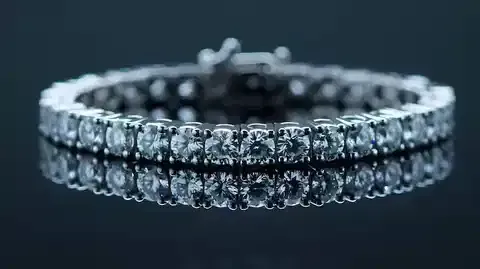
Tennis Necklace
A continuous line of evenly spaced diamonds, offering a uniform and refined look -
Choker Necklace
Sits close to the neck and often features intricate diamond patterns -
Pendant Necklace
Includes a diamond centerpiece suspended from a chain -
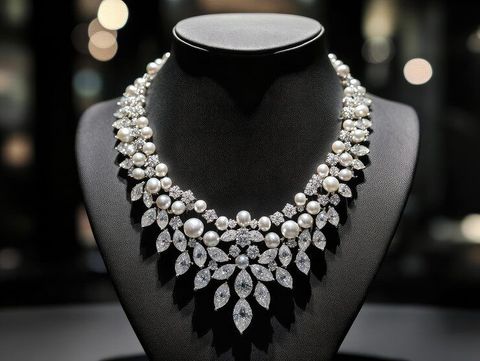
Bib Necklace
Covers a larger area with multiple layers of diamonds for a bold appearance -
Station Necklace
Diamonds are spaced along the chain at regular intervals
Each type serves different styling purposes and levels of visual impact.
Key Features and Design Elements
Diamond necklace designs are defined by several important features that influence their appearance and quality.
Essential Features
-
Diamond Cut Quality
Determines brilliance and sparkle -
Carat Weight Distribution
Affects size perception and overall balance -
Symmetry and Alignment
Ensures visual harmony in multi-stone designs -
Metal Finish
Polished, matte, or textured finishes alter the final look -
Length Variations
Includes collar (12–14 inches), princess (16–18 inches), and opera (28–36 inches)
These features are critical in evaluating design effectiveness and usability.
Comparison of Common Diamond Necklace Styles
| Design Type | Appearance Style | Best Use Case | Complexity Level |
|---|---|---|---|
| Solitaire | Minimalist | Daily wear | Low |
| Tennis Necklace | Uniform & elegant | Formal occasions | Medium |
| Choker | Bold & modern | Fashion styling | Medium |
| Pendant | Versatile | Casual to semi-formal | Low |
| Bib Necklace | Statement | Events & celebrations | High |
| Station Necklace | Balanced & subtle | Office & casual wear | Low |
Problems Addressed by Modern Designs
Modern diamond necklace designs solve several challenges related to comfort, durability, and versatility.
- Weight Distribution: Advanced designs ensure even weight for comfortable wear
- Secure Settings: Improved techniques reduce the risk of stone loss
- Adaptability: Adjustable chains allow multiple styling options
- Durability: Stronger alloys and settings increase lifespan
- Ethical Sourcing: Lab-grown diamonds address sustainability concerns
These improvements make diamond necklaces more practical for everyday use.
Recent Trends and Developments (2025–2026)
The diamond jewelry industry has seen notable innovations in the past year.
-
Lab-Grown Diamond Expansion (2025)
Increased adoption due to sustainability and controlled production -
Minimalist Designs (2025–2026)
Rising preference for lightweight, subtle necklaces -
Convertible Jewelry (2026)
Designs that can be worn in multiple ways, such as detachable pendants -
AI-Assisted Design Tools (2025)
Technology used to create precise and customizable necklace patterns -
Mixed Metal Combinations (2026)
Combining white, yellow, and rose gold in a single design
These trends reflect a shift toward personalization and sustainability.
Regulations and Ethical Considerations
Diamond necklace production and trade are subject to various global standards.
-
Kimberley Process Certification Scheme (KPCS)
Ensures diamonds are conflict-free -
Hallmarking Standards
Certifies the purity of metals used in the necklace -
Sustainability Guidelines
Increasing focus on environmentally responsible sourcing -
Lab-Grown Diamond Certification
Grading by recognized gemological institutions
Understanding these regulations helps ensure authenticity and ethical compliance.
Tools and Learning Resources
For those interested in exploring diamond necklace designs further, several tools and platforms are available.
Useful Resources
-
Gemological Institutes
Provide courses on diamond grading and jewelry design -
CAD Jewelry Design Software
Used to create digital necklace prototypes -
Online Design Libraries
Offer templates and inspiration for various styles -
Jewelry Design Courses
Cover fundamentals of gemstone setting and metalwork -
Trend Analysis Platforms
Track emerging styles and consumer preferences
These resources support both beginners and professionals in understanding design principles.
FAQs
What is the most versatile diamond necklace design?
Pendant necklaces are considered highly versatile because they can be worn with both casual and formal outfits.
How does diamond cut affect necklace appearance?
The cut determines how light reflects within the diamond, directly influencing its brilliance and visual appeal.
Are lab-grown diamonds used in necklaces?
Yes, lab-grown diamonds are widely used and offer similar physical and optical properties to natural diamonds.
What length is ideal for everyday wear?
A princess length (16–18 inches) is commonly preferred for daily use due to its balanced positioning.
How can durability be ensured in diamond necklaces?
Choosing secure settings, high-quality metals, and proper craftsmanship enhances durability.
Conclusion
Diamond necklace designs combine artistry, engineering, and functionality to create pieces suitable for a wide range of uses. By understanding their structure, types, and key features, individuals can better appreciate how these designs meet both aesthetic and practical needs.
Recent advancements such as lab-grown diamonds, convertible designs, and digital modeling tools have further expanded possibilities in the field. Additionally, adherence to ethical standards and global regulations ensures responsible production.
As trends continue to evolve, diamond necklace designs remain a significant part of personal style and cultural expression, offering both timeless elegance and modern adaptability.